Conservation wrap-up 2025
Posted 23 Dec 2025
/pallas_cat.jpg)
We’re almost at the end of 2025, and what a year it’s been for species conservation!
From releasing tiny snails in Scotland, to celebrating 20 years of chimpanzee conservation in Uganda's Budongo Forest, it was a year of species recovery steps. We’ve also started to support several new species including caracal in Turkmenistan and pine marten in England, taking us closer to our goal of helping to reverse the decline of 50 species by 2030.
International partnerships
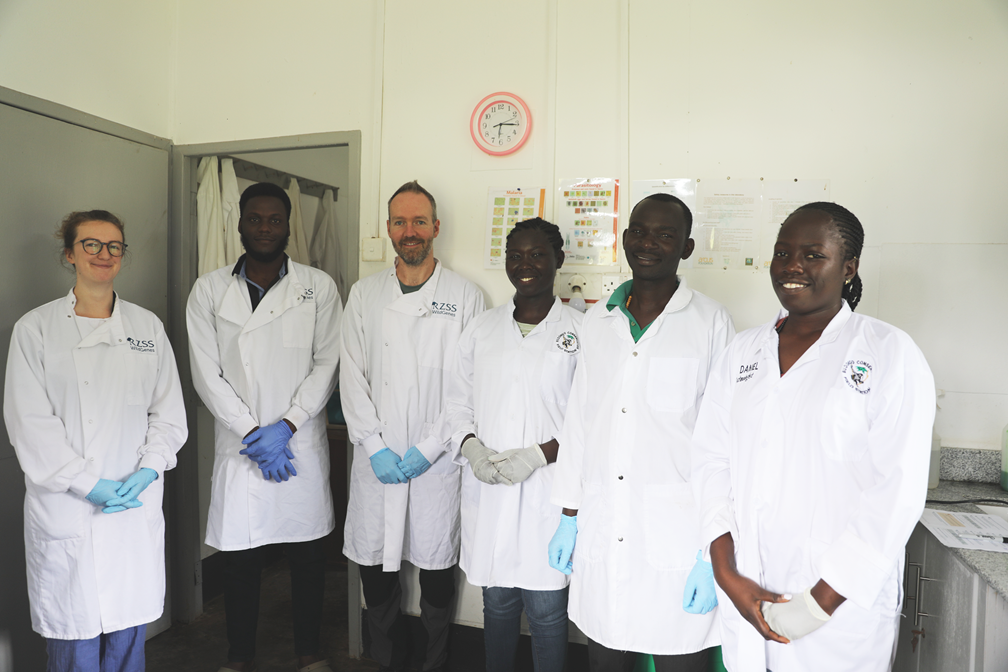
Partnership and collaboration are key to successful conservation. This year we were delighted to celebrate two decades of support to the Budongo Conservation Field Station (BCFS) based in Uganda, our longest conservation partnership to date. Together in 2025, we published a report and welcomed a visit from HRH The Princess Royal to Edinburgh Zoo to mark the milestone. In September, we partnered to deliver training workshops in veterinary care and DNA analysis in Uganda. In 2026, the BCFS team will use their new genetics skills to support the recovery of the incredibly rare Nahan’s partridge.
In Brazil, our partners at the Wild Animal Conservation Institute (ICAS) found incredible success with their proposal to mitigate wildlife vehicle collisions on a busy highway known as the ‘road of death’. Just a few weeks ago the first tunnels passing underneath the road were built, which will allow giant anteaters and many other species to pass safely below the highway! This amazing outcome was the result of years of tireless work from ICAS and their partners.
In Central Asia, we’ve been working closely with several partners including the Uzbekistan Ministry of Ecology, Environmental Protection and Climate Change to further conservation protection for small cats including the Pallas’s cat and caracal. Just a few weeks ago, RZSS conservation project officer Kasia Ruta organised and co-led a side event at the CITES CoP20 in Uzbekistan to lobby for better protections for these cats through transboundary collaboration and growing local capacity.
/caracal.jpeg)
In the field
This year we were delighted to release over 3,000 tiny pond mud snails into carefully selected ponds in the Pentland Hills Regional Park, a huge achievement which should boost the population of this rare, overlooked species.
It was also a critical year for our other invertebrate projects, particularly pine hoverfly, with thousands of larvae produced, hundreds released into the wild, and a conservation strategy for the species published which will guide conservation efforts for the species into the future. The team also co-authored a scientific paper reporting evidence of pine hoverfly reproduction in the wild.
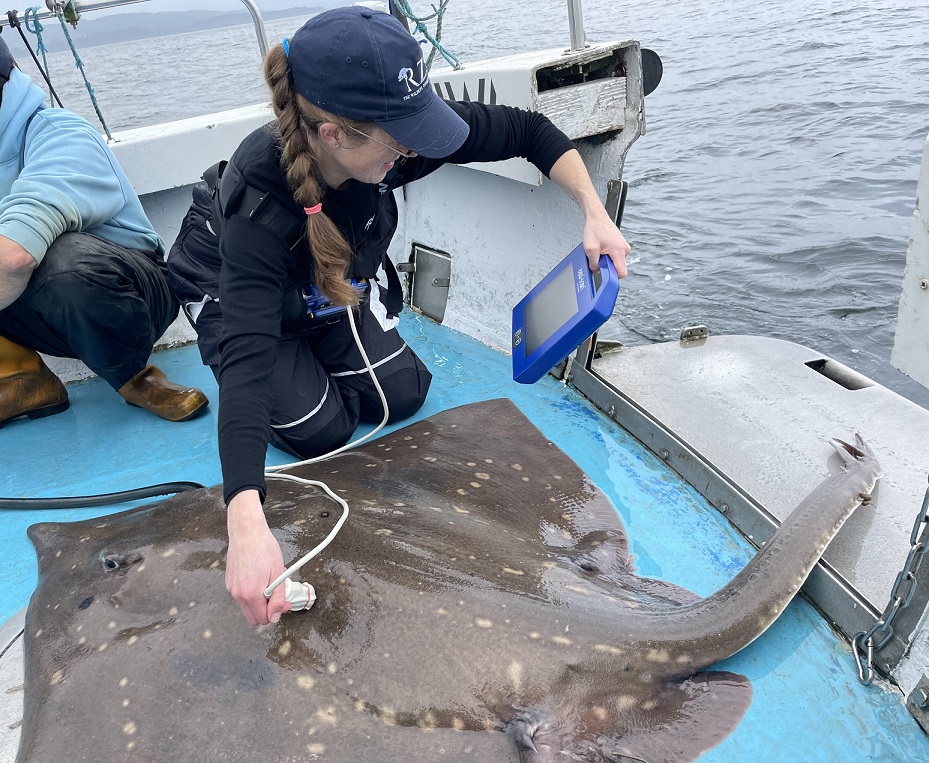
RZSS veterinary surgeon Dr Georgina Cole began studying for a PhD, continuing her important work on the health of critically endangered flapper skate. She sampled 99 individuals, beating her record of 69 in 2024! Dr Cole is using these samples to gather key baseline data that will enable flapper skate health to be monitored over time and in response to changing conditions such as warming oceans.
Saving genes
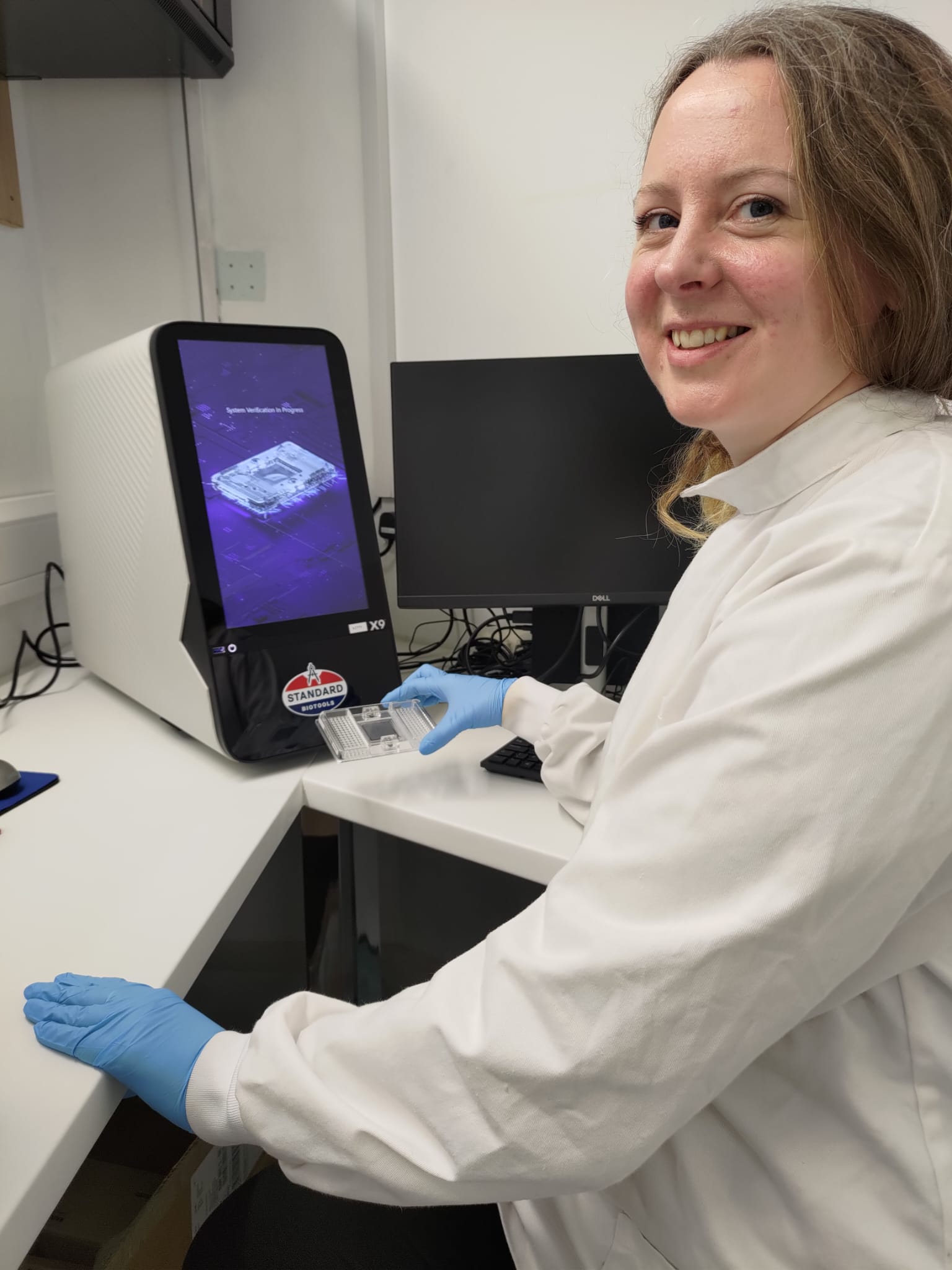
The RZSS WildGenes laboratory at Edinburgh Zoo was delighted to welcome a Biomark X9 machine, ‘Kitty’, named by one of our incredible Patrons. This intimidating piece of equipment is capable of processing genetic samples extremely rapidly; in just one week the machine generated 27,648 SNP data points for our Asian elephant project! This rapid turnaround will improve the lab team’s capacity to process samples, ultimately allowing WildGenes to answer urgent conservation questions.
Earlier in the year, the team were communicating their work to the wider conservation science community, delivering presentations at conferences and publishing in peer-reviewed scientific journals. After years of dedicated work by a combination of in country partners, we published our first review of the population status of the fragile Asian elephant populations in Northern Cambodia.
The RZSS WildGenes Biobank, which stores zoological samples at -80oC for use in conservation research, has been filling up its freezers. Dr Cecilia Langhorne, Senior Biobank Technician, was here, there, and everywhere delivering talks about the biobank and its importance to wildlife conservation. She also found the time to process nearly 500 new samples from 119 species into the biobank and was pleased to note that 20% of these were invertebrates, which are in desperate need of better representation in biobanks. Big things are coming to the WildGenes biobank in 2026 – stay tuned to find out more!
WildGenes also completed a three-year project on giraffe conservation this year, sequencing new Ugandan samples received from the Giraffe Conservation Foundation (GCF). Analysis of these samples is allowing us to assess the breeding success and genetic diversity of translocated individuals in three Ugandan populations. Our results are informing GCF’s important in-situ conservation efforts for giraffe across Africa.
Saving Wildcats
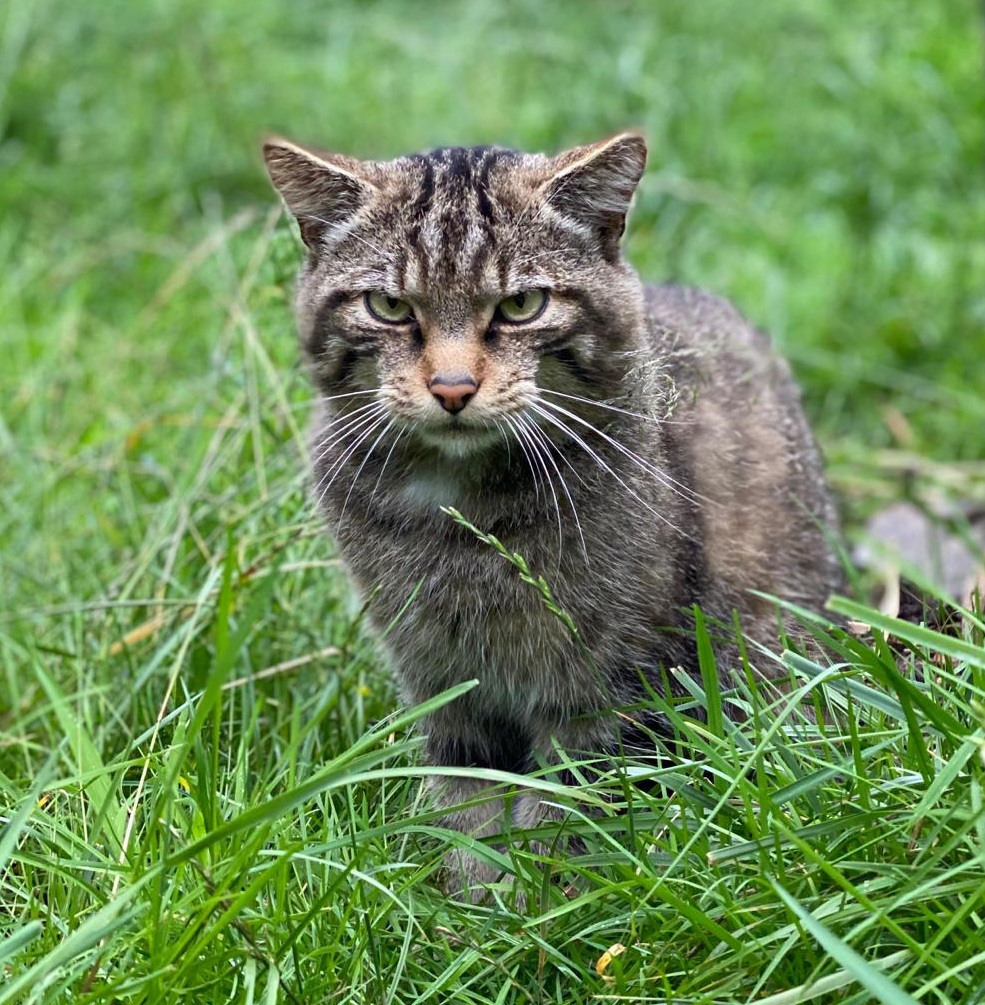
This summer, a further 18 wildcats were released into the Cairngorms National Park, marking a third consecutive year of wildcat released. This brings the total number of released wildcats up to 46. Excitingly, this year also marked a second consecutive year of wild births from released females, showing a natural increase in the newly establishing wild population.
The Saving Wildcats team continue to track released wildcats, monitoring via a combination of GPS-radio collars, and camera traps. Over 2.5 million pieces of footage and images obtained from camera traps, including this fantastic footage of a released female carrying her young kittens. The first scientific publication summarising early results from the field was published in IUCN Cat News.
At the start of the year, the project was also the focus of a two-part documentary, filmed and produced by BBC ALBA, which aired in January. In the same week, the team’s expertise was called upon to assist with the safe, humane capture of four lynx, which were illegally released into the project area.
In September, the partnership premiered their new film, ‘Clinging by a Claw’, in Aviemore, Inverness and Edinburgh! The documentary, created by Saving Wildcats and produced by SCOTLAND: The Big Picture, offers an extraordinary insight into the journey of Scotland's wildcats from the brink of extinction to their return to the wilds of the Cairngorms National Park. It has now been seen by over 1,000 people.
The evidence-base to support species recovery
RZSS is committed to sharing evidence related to species recovery with peers and policy makers so that more species can be saved and more effectively.
Reintroduction case studies from wildcat, beaver, pine hoverfly and dark bordered beauty moth were submitted to the IUCN-SSC Global Conservation Translocation Perspectives: 2025 and case studies from wildcat, capercaillie and beaver to the Scottish Genetic Scorecard Indicator developed by NatureScot.
Full list of publications and reportsMany thanks to the wonderful funders, visitors, supporters, partners and volunteers who have made this work possible. RZSS’s pledge to reverse the decline of 50 species is supported by the players of the Peoples Postcode Lottery.