Frozen assets: Biobank open day puts wildlife biobanking in the spotlight
Posted 22 Sep 2026
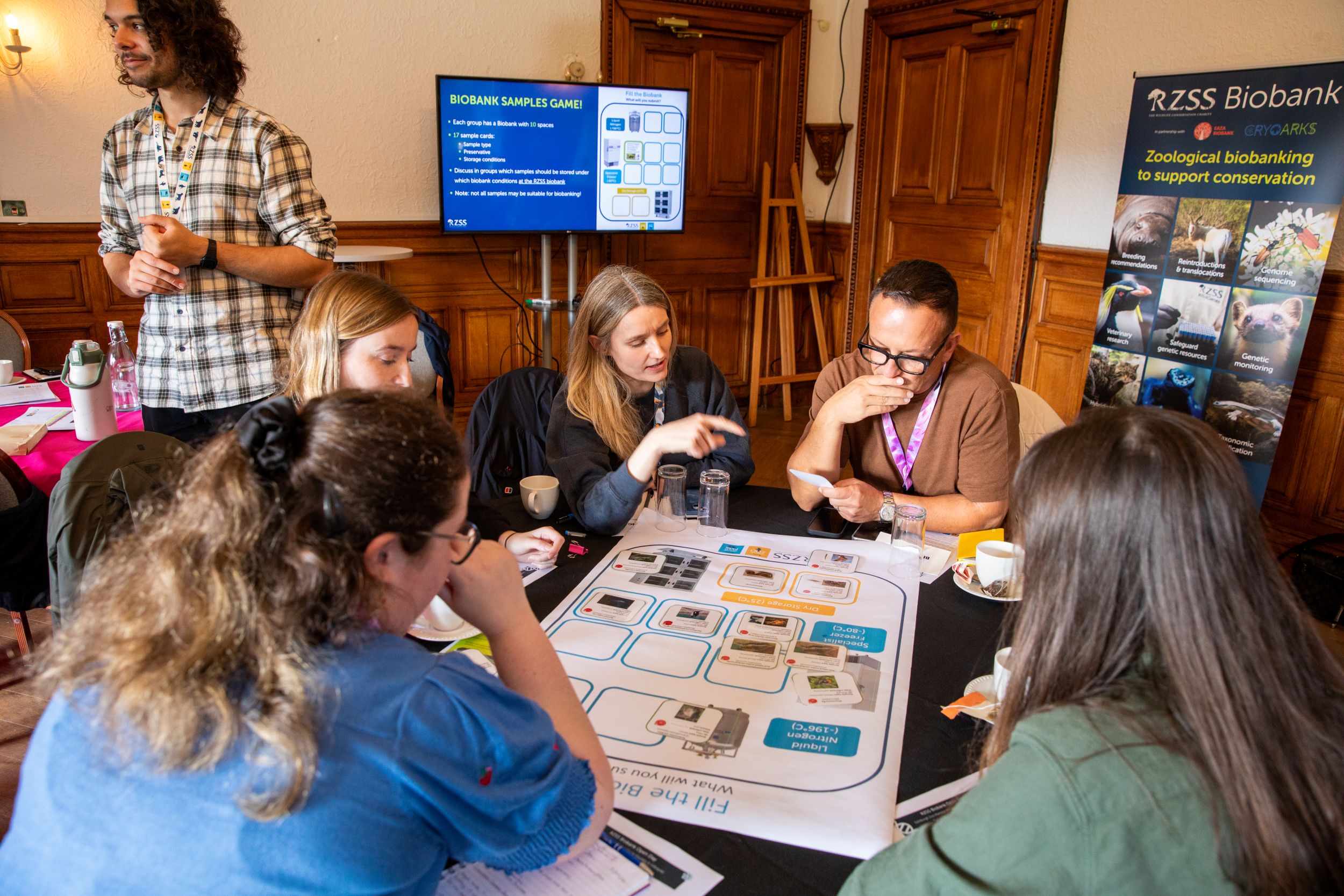
Representatives from wildlife institutions, charities and museums gathered at Edinburgh Zoo on 15 September for an open day to learn how the Royal Zoological Society of Scotland’s (RZSS) biobank uses genetic resources to save species.
Twenty-five scientists, conservationists and partner representatives attended to explore biological sampling and how genetic resources can support wildlife conservation efforts. The day was led by the RZSS WildGenes Biobank and involved contributions from across the society. Insights from the vets, keepers and education teams made for an informative event that showcased the collaborative spirit required in species conservation.
Biobanks help protect endangered species by preserving vital genetic samples in frozen archives. These resources support wildlife population management, genetic research and breeding programmes. Several species recovery programmes demonstrate the potential value of biobanks including the scimitar-horned oryx, Przewalski’s horse and Scotland’s critically endangered wildcat which RZSS proudly supports through the Saving Wildcats partnership.
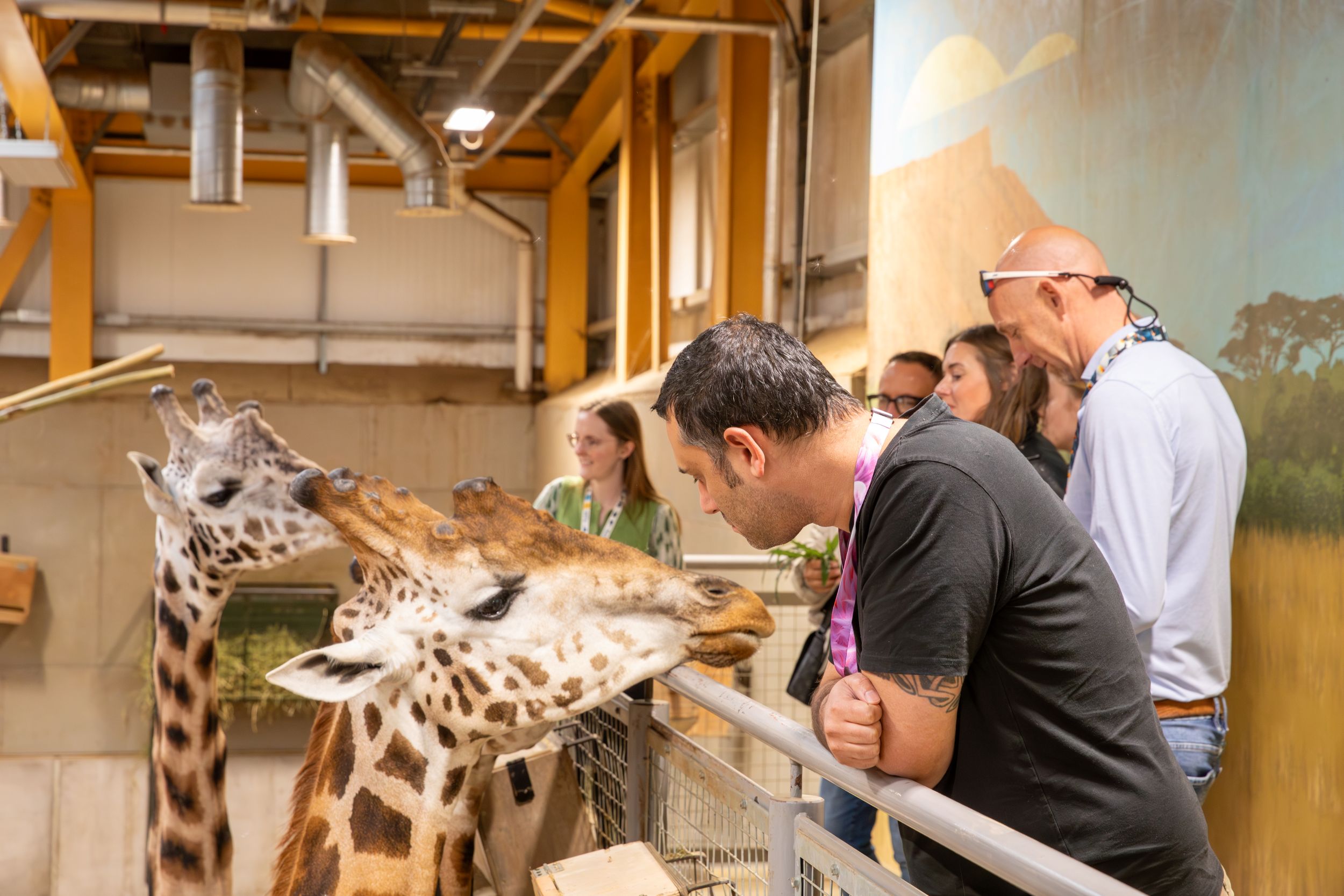
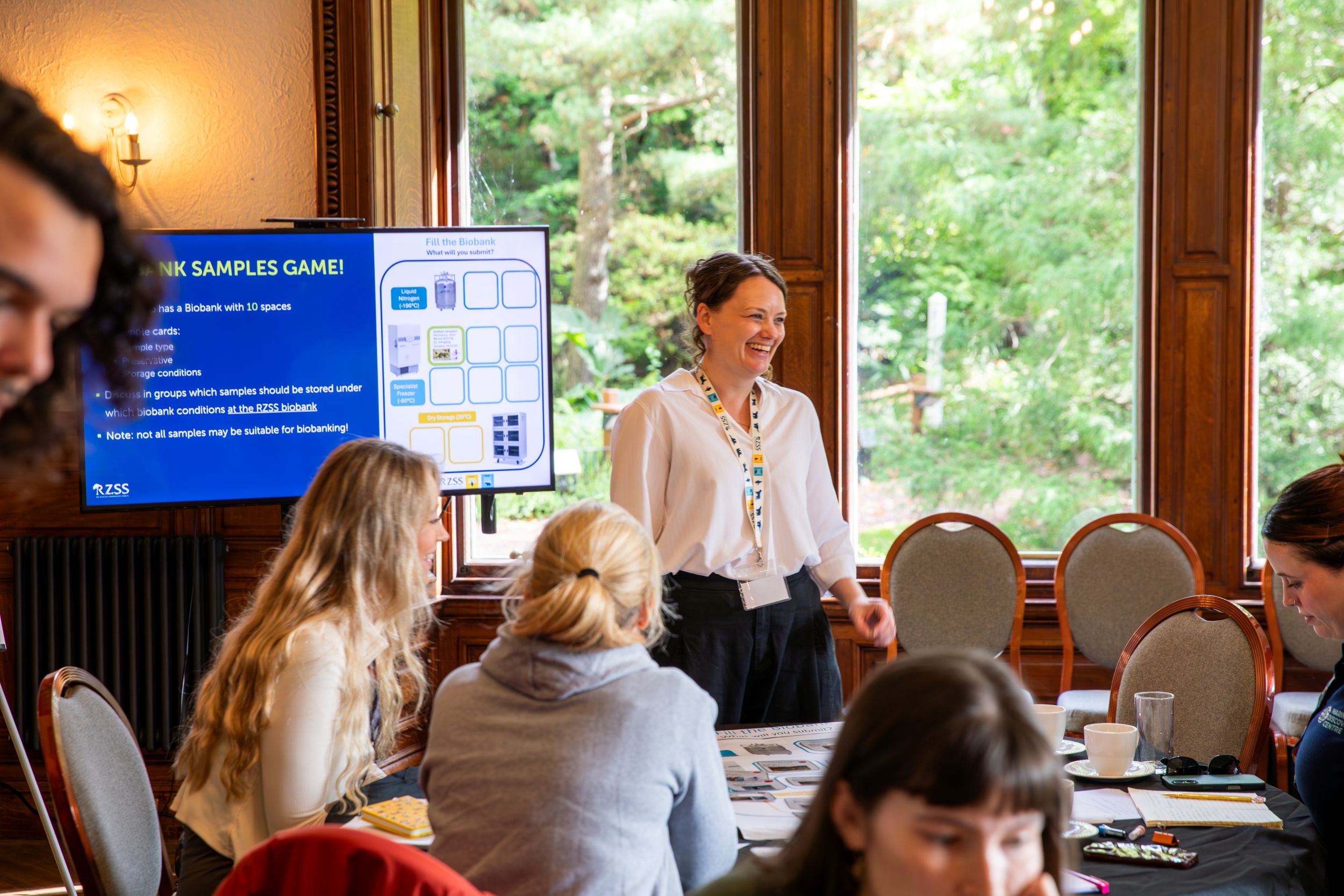
Diverse topics including sampling protocols, active conservation research and strategies to engage zoo visitors with biobanking were discussed. There was emphasis on the importance of species variety with aquaria and butterfly house staff joining the event. The cohort also had a chance to feed Edinburgh Zoo’s giraffes.
Event organiser and senior biobank technician at RZSS WildGenes Dr Cecilia Langhorne said: “As a leading biobank inviting peers to visit RZSS WildGenes and attend events like this open day are so important. They raise awareness of biobanking and its role in species recovery while helping build connections between those with shared goals. Ultimately this combination helps turn frozen samples into active lifelines for global wildlife conservation.
“We’ve seen first-hand the difference that integrating genetic information into conservation planning can make in improving the success of conservation outcomes. The more people who know and share in this work, the more samples we can preserve for researchers now and in the future.”