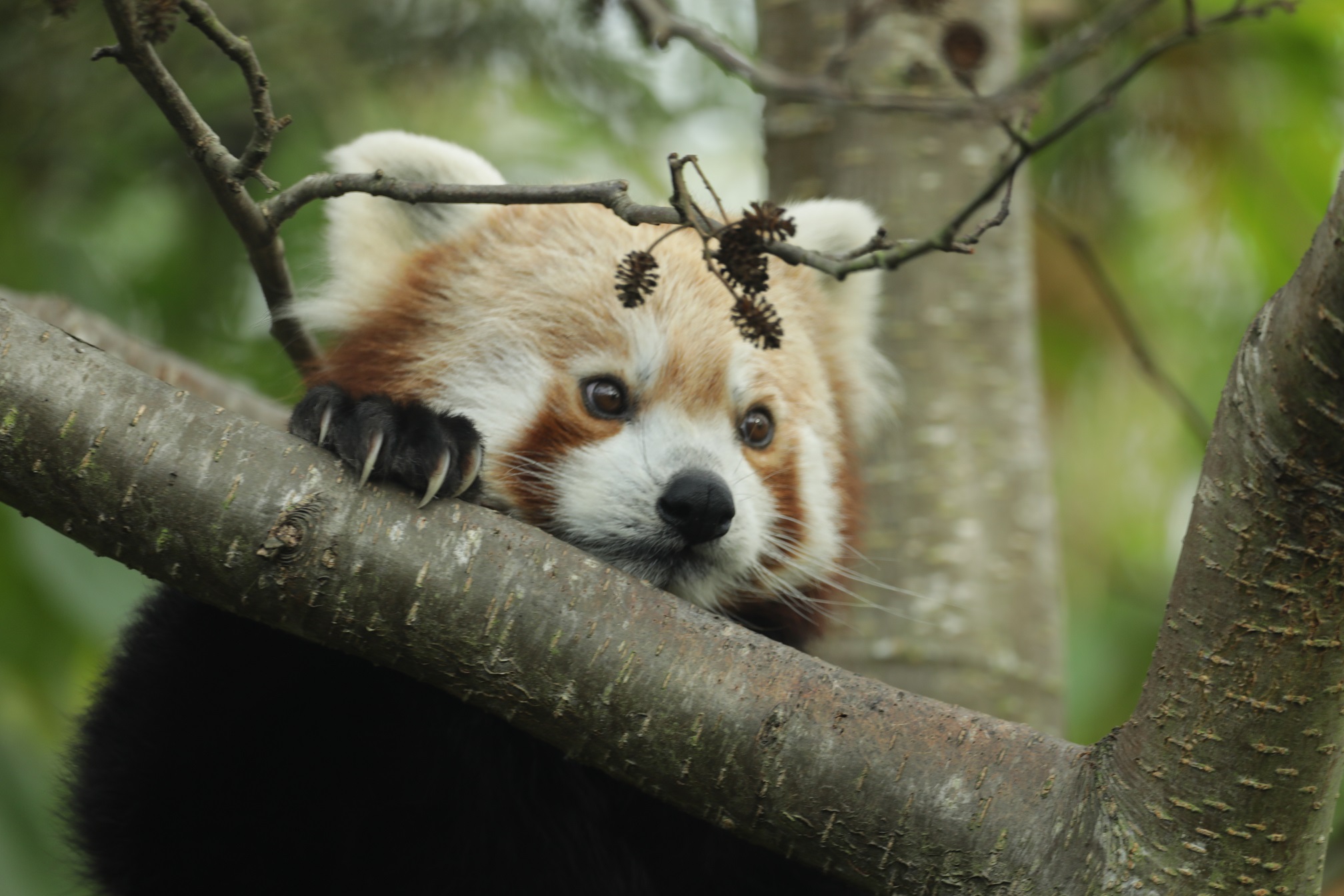
Major Conservation Milestone as Edinburgh Zoo’s Biobank Receives 200th Submission
Posted 29 Oct 2026
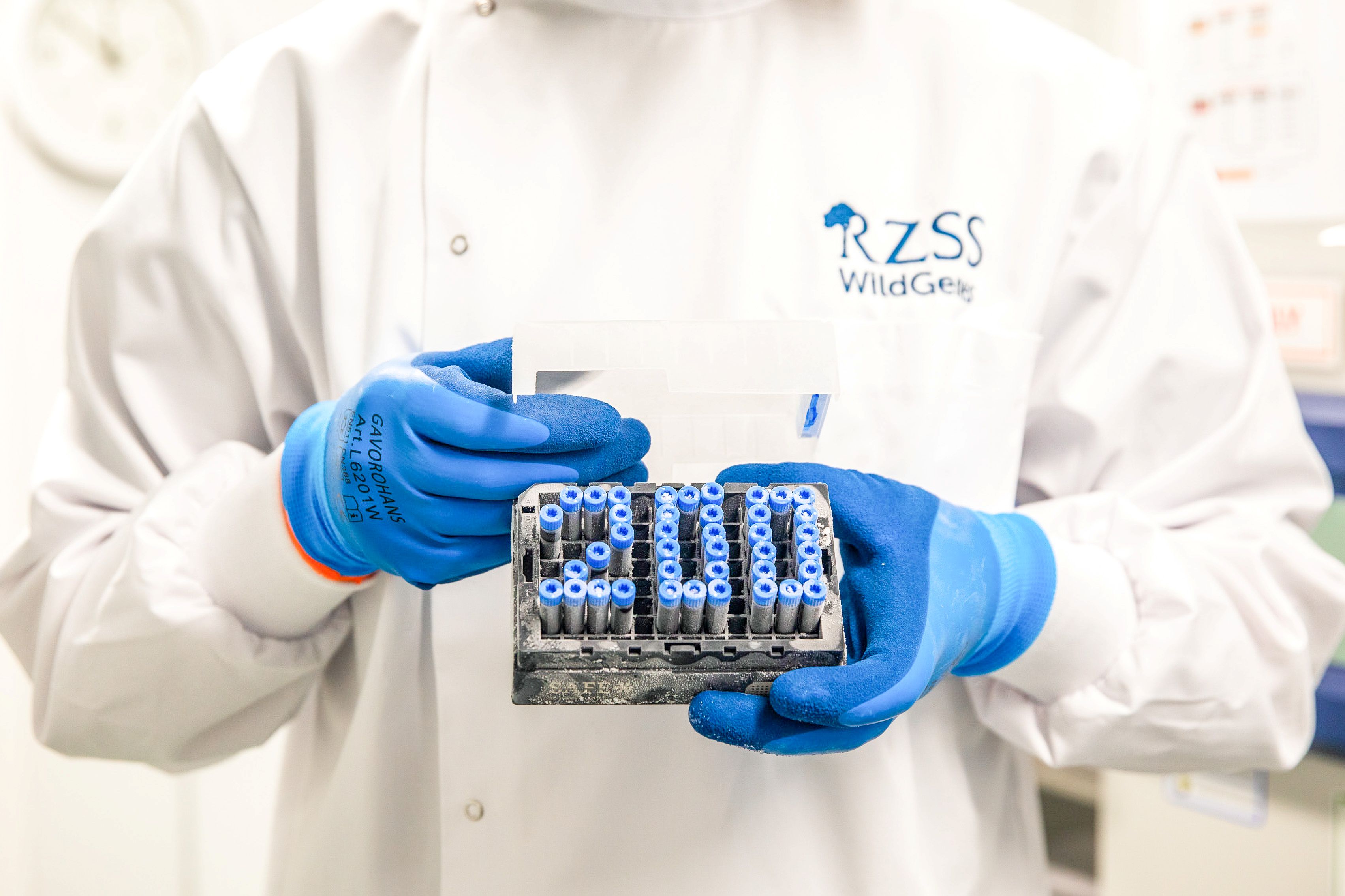
The Royal Zoological Society of Scotland (RZSS) have celebrated a major milestone in wildlife conservation following the two-hundredth batch submission of genetic samples to our biobank at Edinburgh Zoo.
The landmark contribution was made by our colleagues at Colchester Zoological Society (CZS), reinforcing the important role that zoos and wildlife organisations play in working together to protect threatened species and preserve biodiversity.
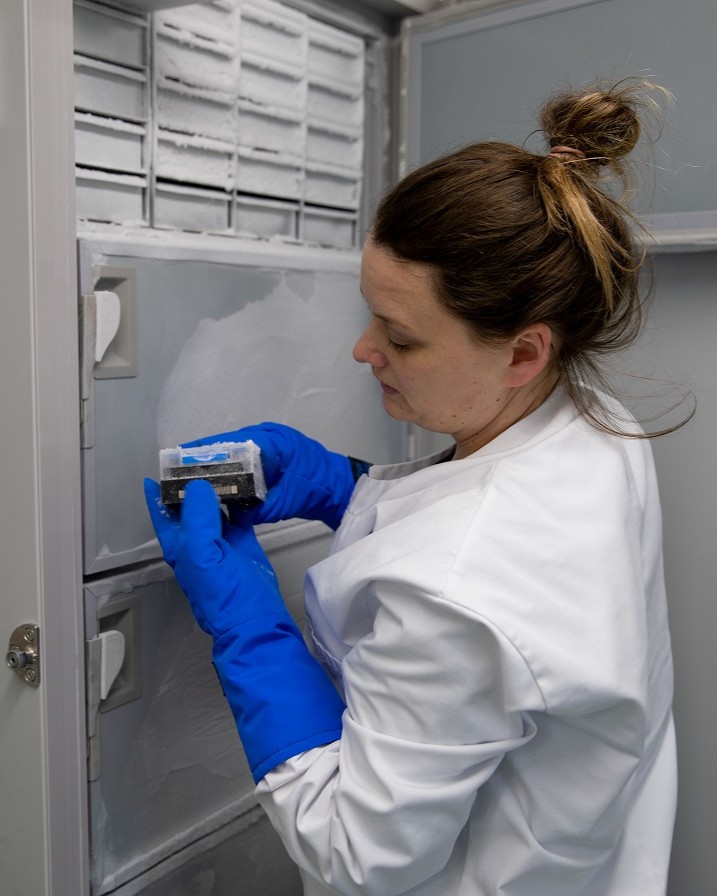
The biobank, managed by RZSS WildGenes, stores valuable biological material including blood and tissue samples providing an essential resource for long-term scientific research and conservation efforts.
It now houses more than 10,000 individual genetic samples, helping researchers build the knowledge needed to support wildlife survival.
Preserving genetic diversity for endangered species
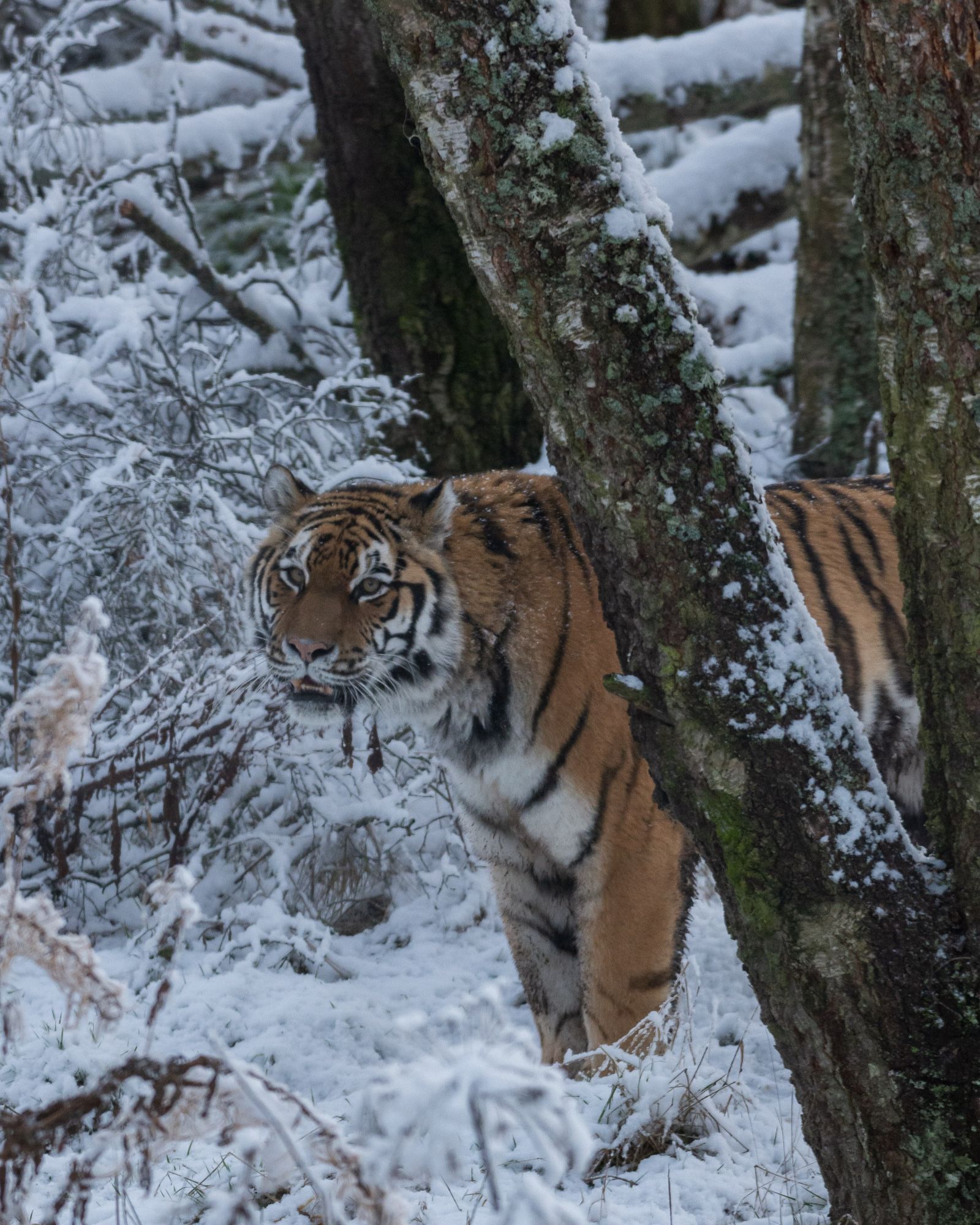
CZS’s submission included samples from some of the world’s most threatened wildlife, including the critically endangered radiated tortoise and Sumatran orangutan. Other samples came from endangered species found at Edinburgh Zoo and Highland Wildlife Park, including the Visayan spotted deer, pygmy hippo and Amur tiger.
By preserving irreplaceable genetic materials such as these, biobanks give conservationists access to vital information that might otherwise be lost. This information then allows them to monitor genetic diversity, investigate wildlife diseases and inform breeding programmes designed to support healthy and sustainable populations.
This is particularly important for species facing shrinking populations, habitat loss and other pressures that threaten their long-term survival.
RZSS WildGenes: Science supporting conservation
RZSS WildGenes is one of the UK’s leading wildlife genetics teams and the first to be based in a zoo. The biobank safeguards genetic samples for researchers worldwide and serves as the official UK hub for the European Association of Zoos and Aquaria (EAZA) Biobank.
Its work helps connect scientific research with practical conservation, enabling institutions to share resources, develop expertise and improve understanding of the challenges facing endangered species.
Dr Cecilia Langhorne, senior biobank technician at RZSS WildGenes, notes that “every sample in every submission represents an opportunity to deepen our understanding of how to protect wildlife.
“One of the key commitments of RZSS WildGenes is to advance species recovery. By acting as a biobank hub for genetic research, we can share resources with conservation partners worldwide. We are building the knowledge and capacity needed to safeguard species survival now and into the future.”
The value of this work extends well beyond newly collected material. Some specimens preserved within the biobank date back decades.
Dr Langhorne added: “The fact that some of these specimens have been preserved since the 1990s highlights the long-term value of biobanking and the foresight of institutions that have safeguarded them.”
Colchester Zoological Society strengthens its commitment
CZS has contributed more than 500 samples to the biobank across multiple submissions in 2026 alone. This demonstrates how an individual institution can make a significant impact by contributing to shared conservation resources.
Global biodiversity is declining at an unprecedented rate, making collaboration between zoos, wildlife collections and scientific organisations is increasingly important. By sharing samples and expertise, such institutions help create a strong foundation for research that can inform future conservation decisions.
Biobanking offers hope for the future of wildlife
As conservation challenges continue to grow, biobanking offers an important way to preserve biological information for future generations. Genetic research can help identify risks to vulnerable populations, inform species recovery plans and support more effective, long-term conservation strategies.
Dr Langhorne said: “Biobanking offers hope for supporting impacted species and genetics is a vital part of effective and lasting conservation. We encourage zoos and wildlife collections across the UK to contribute blood and tissue samples. These donations will help to reinforce one of Europe's most important conservation resources.”

The two-hundredth submission marks more than a numerical achievement. It represents years of collaboration, careful preservation and a shared commitment to safeguarding the planet’s wildlife.
Through initiatives such as RZSS Biobank, the samples collected and preserved today can help answer tomorrow’s conservation questions and support the survival of threatened species for generations to come.