
From “Mr Zoo Man” letters to muddy shoes opening days, Edinburgh Zoo celebrates 110 years of memories
Posted 2 Jun 2026
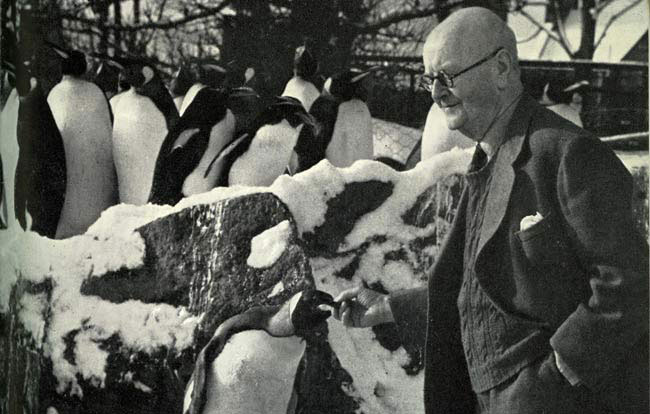
Families, visitors and supporters are invited to celebrate generations of memories as the Royal Zoological Society of Scotland (RZSS) Edinburgh Zoo opens the doors to its past this June. The rare archive material, much of it unseen for over 100 years, goes on public display during a special Memories Week from 13 – 21June 2026.
The week-long celebration will shine a spotlight on the wildlife conservation charity and the generations of people who have grown up visiting Edinburgh Zoo, from first family days out and school trips to encountering some of its most loved animals.
Highlights include children’s letters addressed to “Mr Zoo Man”, photographs and memorabilia from community events such as a 1927 carnival, and early records from the Zoo’s opening on 22 July 1913, when visitors reportedly left with mud on their finest shoes due to ongoing construction.
The exhibition also reveals how founder Thomas Haining Gillespie described creating Edinburgh Zoo as “an obsession”, despite many believing Scotland’s climate made it impossible to house animals from around the world. Determined to create something different from the time, Gillespie championed a revolutionary “open-air zoo” concept, giving animals more natural spaces and room to retreat from public view.
The early meetings did not always run smoothly. At RZSS’s first annual meeting in July 1909, attendance was reportedly so low that organisers had to call in a passerby from the street to make up the numbers needed to pass motions. Despite this, the focus of these early gatherings remained the creation of a new zoological garden in Scotland.
David Field, CEO of RZSS said; “Edinburgh Zoo holds a special place in the hearts of so many people. Memories Week is a chance to celebrate those connections and the role the Zoo has played across generations. We want people to come along, reminisce, share their stories, bring in their keepsakes and be part of preserving this incredible history for the future.
“Some parts of the archive reflect a very different time and understanding of animal care and conservation than we have today. We would not attempt to defend everything from the past, but it is important to acknowledge how much has changed over more than a century and how those lessons have helped shape the conservation and welfare values we continue to build on today.”