
RZSS’ commitment to protecting world's rangeland species and their ecosystems
Posted 15 Oct 2026
The United Nations declared 2026 as the International Year of Rangelands and Pastoralists (IYRP). This initiative seeks to raise awareness of the importance of rangelands and pastoralists, and the vital role they play in ecosystem and species conservation, climate resilience, food security, and cultural heritage.
/anteatermarioalves.jpg)
What are rangelands and who are pastoralists?
Rangelands are lands dominated by grasses, shrubs and sometimes trees that are grazed or have the potential to be grazed by livestock and wildlife.
Pastoralists are people whose livelihoods mainly rely on domesticated and semi-domesticated animals that graze and browse predominantly on rangelands with varying degrees of mobility. They herd around 1 billion animals and manage at least 25% of the world’s land!
Image: Mario Alves for ICAS
Why are rangelands and pastoralists so important?
Rangelands cover around half of the Earth’s land surface and capture up to 30% of the world’s carbon helping to mitigate climate change. They also support a rich variety of fauna and flora and provide livelihoods, food, and homes to around 2 billion people including pastoralists, small-scale herders, ranchers, and farmers.
Pastoralists have a special connection to rangelands using traditional knowledge maintained over millennia to work with nature to produce food while protecting the land. They move their herds strategically according to seasonal conditions and forage availability allowing vegetation to recover, ensuring animals are healthy, and reducing pressure on fragile soils and water sources. Pastoralists are rangelands’ main custodians.
Rangelands and pastoralists face various threats to their survival and wellbeing. Access to historically used rangelands is taken away from pastoralists through land fragmentation and conversion to other human-altered environments. Rangelands are also at risk from climate change causing more intense and more frequent natural phenomena such as wildfires.
Rangelands and pastoralists face various threats to their survival and wellbeing. Access to historically used rangelands is taken away from pastoralists through land fragmentation and conversion to other human-altered environments. Rangelands are also at risk from climate change causing more intense and more frequent natural phenomena such as wildfires.
What is RZSS doing to help preserve rangelands and support pastoralists and species that depend on them?
RZSS focuses on species-based conservation but this is never done in isolation. The species we work to recover and protect are crucial parts of their wider ecosystems, including their preferred habitats and the people they share the land with.
Some examples of RZSS target species in rangeland ecosystems worldwide include:
/icas anteater.jpg)
/credit vadim kirilyuk 2.jpg)
The Pallas’s cat - Central Asia
The elusive Pallas’s cat roams the steppes and mountain grasslands across Central Asia and beyond - these landscapes are also often used by semi-nomadic pastoralists for herding their animals. PICA-supported projects study how Pallas’s cats use these lands, and engage with local herders to jointly agree on conservation strategies and grow community awareness. By engaging conservationists, guides, and field assistants from the local community these projects further strengthen trust and ensure conservation efforts are embedded within the local context, and promote human-wildlife coexistence.
Image: Vadim Kirilyuk
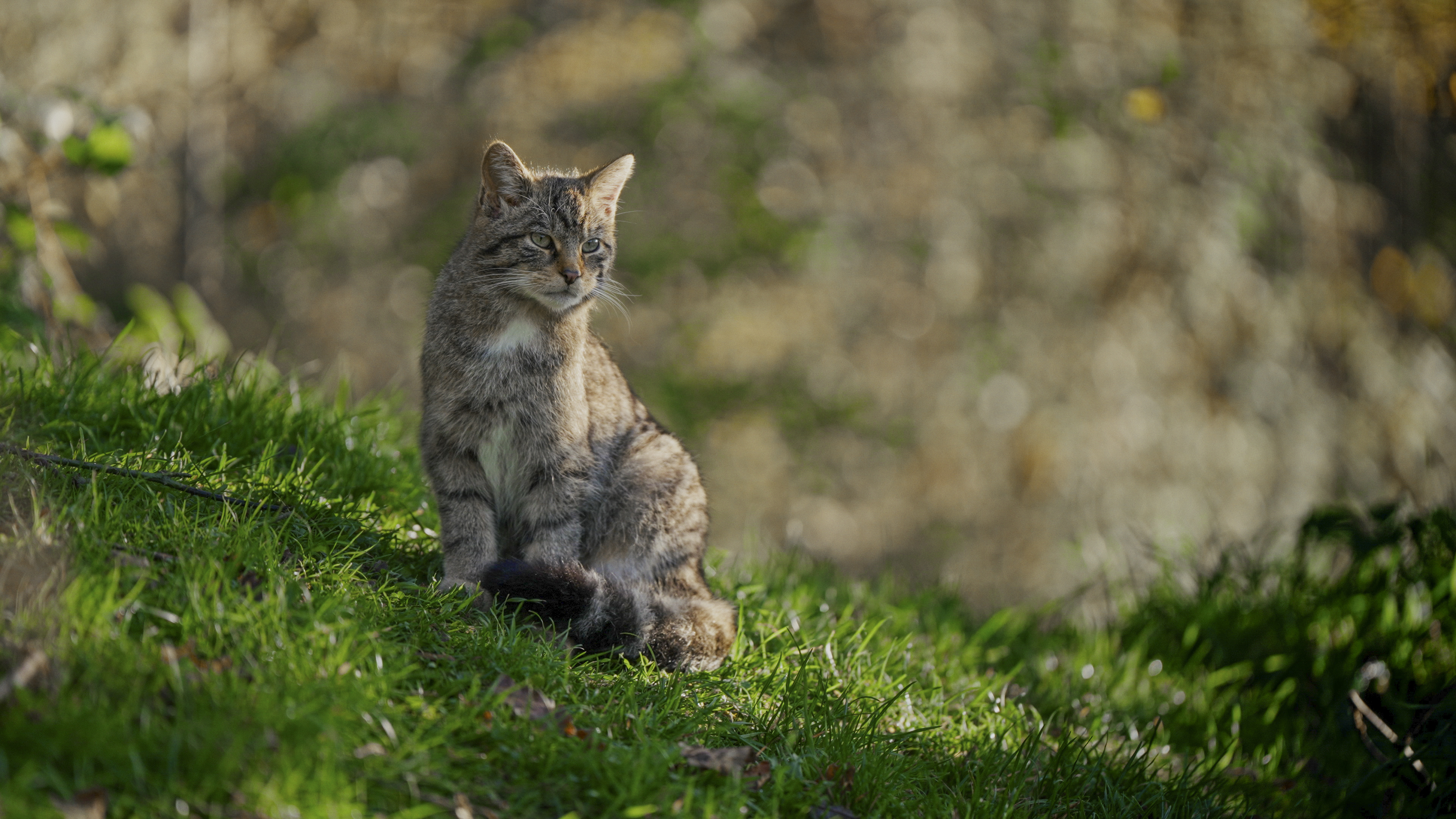
European wildcat – Scottish Highlands
Wildcats occupy a complex mosaic of habitats and can adapt to different environments, including grasslands. In Scotland much of them have been converted into farmlands. Saving Wildcats is actively talking to farmers, gamekeepers and landowners in the Cairngorms area, providing and constructing wildcat-safe chicken coops and supporting landowners to consider how to ensure a fair coexistence between wildcats and people.
Both Pallas’s cats and wildcats are mesopredators (also known as mid-level predators) predating predominantly on small rodents and helping to maintain their population sizes . They also make use of dens made by other animals, giving a second life to those homes.
Image: SCOTLAND The Big Picture
Giant anteater and giant armadillo – Cerrado, Brazil
Giant anteaters are found across the forests and grasslands of South America many of which have undergone extensive alteration and degradation for agriculture and ranches. Our partners, ICAS, track how giant anteaters move through the Cerrado grasslands in Brazil where they encounter human-altered environments and can be at risk of road collisions and poison.
/credit icas.jpg)
/nightcamarmadillogiant.png)
Giant armadillos occupy similar habitats to giant anteaters but they also are considered ecosystem engineers as they dig burrows for themselves during the day. These burrows are used by many different species for shelter and feeding once the armadillo leaves. ICAS works with beekeepers to mitigate conflict with giant armadillos who can destroy their hives to eat bee larvae.
Images: ICAS
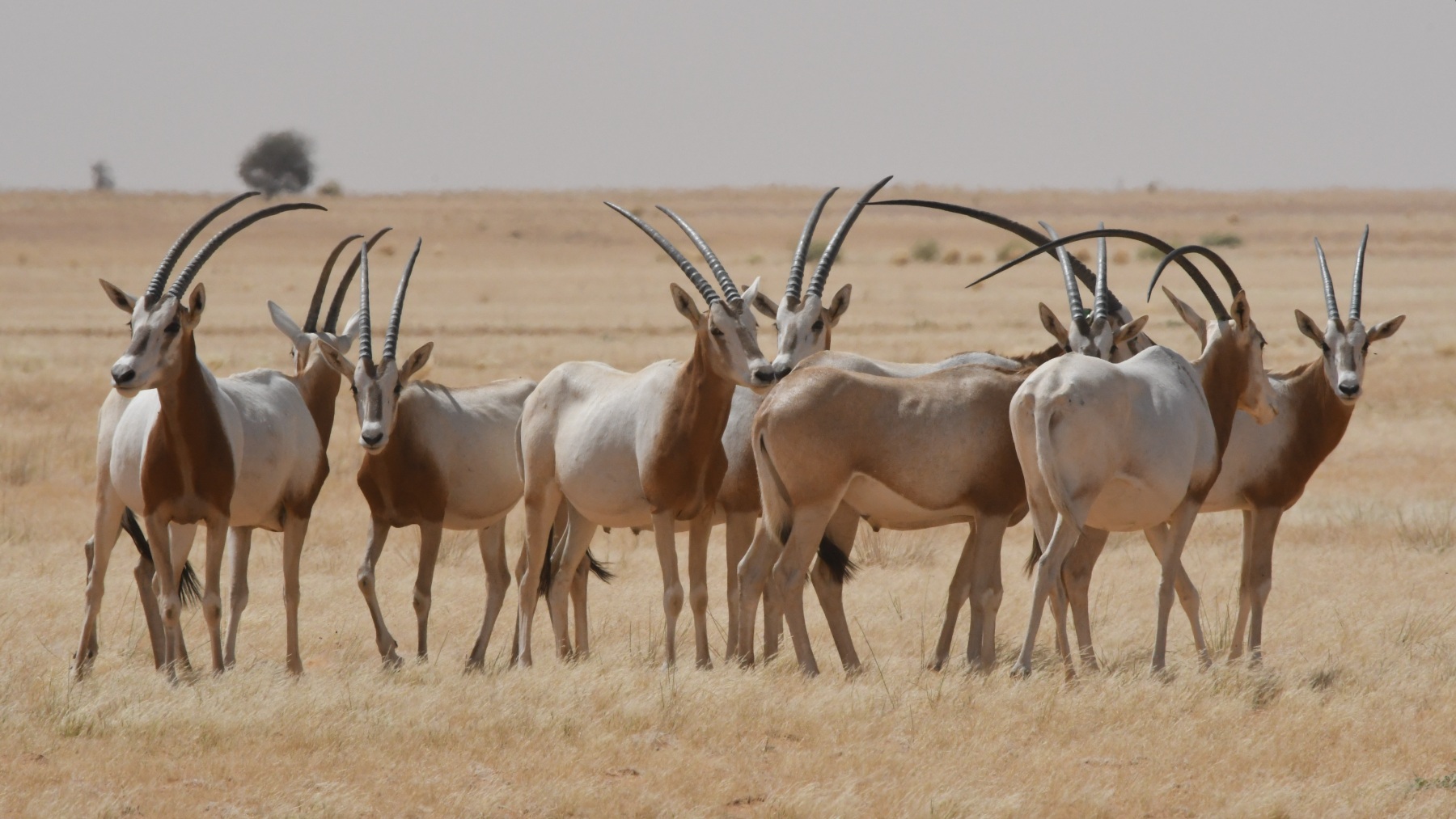
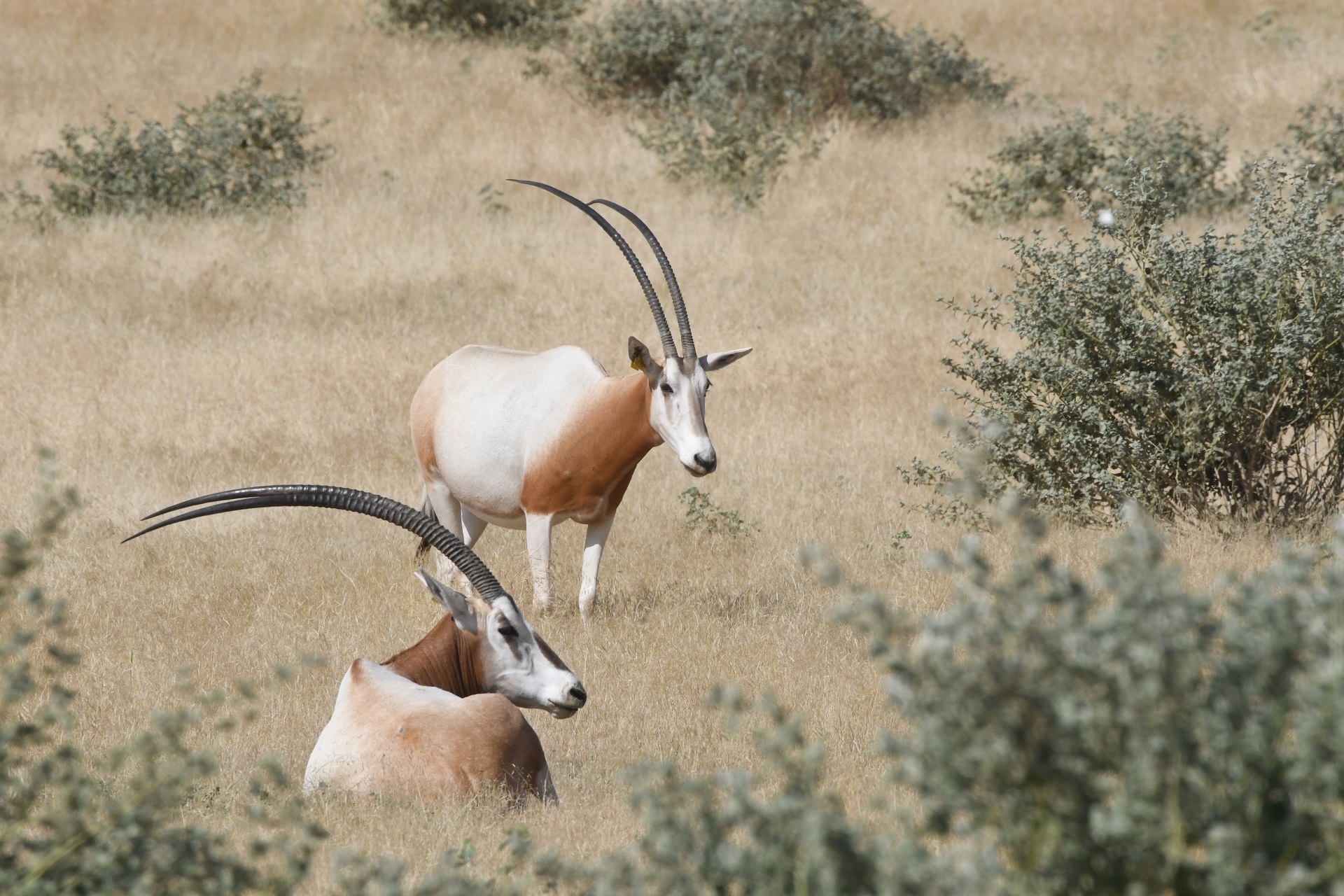
Scimitar-horned oryx, North Africa
Scimitar-horned oryx are a species of desert antelope - in northern Africa they inhabit semi-deserts and arid grasslands, which have undergone dramatic land-use changes in recent decades. Alongside partners, RZSS has provided genetic analyses to support a reintroduction of this species into Chad, helping to restore the balance of these crucial, arid ecosystems.
Image: Sahara Conservation
Advocating for rangeland species on policy level
RZSS also uses its expertise to influence international policy to secure better protections for rangeland species, their habitats and communities depending on them. Alongside partners, RZSS and PICA played an important role in listing Pallas’s cats under the Convention of Migratory Species (CMS) and Central Asian Mammals Initiative (CAMI), with the aim of catalysing conservation action for these cats across their rangeland ecosystems.
Another United Nations summit spotlighting rangelands has recently taken place in Mongolia - the UN Convention to Combat Desertification (UNCCD) CoP 17 is bringing together world leaders, conservation experts, Indigenous Peoples and pastoralists to accelerate action on conservation of rangelands, while spotlighting the needs of pastoralist communities and their role as guardians of these landscapes.
Against the backdrop of these global events, RZSS will continue its efforts to reverse the decline of rangeland species, helping to protect these important landscapes, peoples’ sustainable use of them , and encourage co-existence between the variety of animals and humans that call them home.