Scotland's Wildcat Strategy 2025-2045
Posted 22 Sep 2026
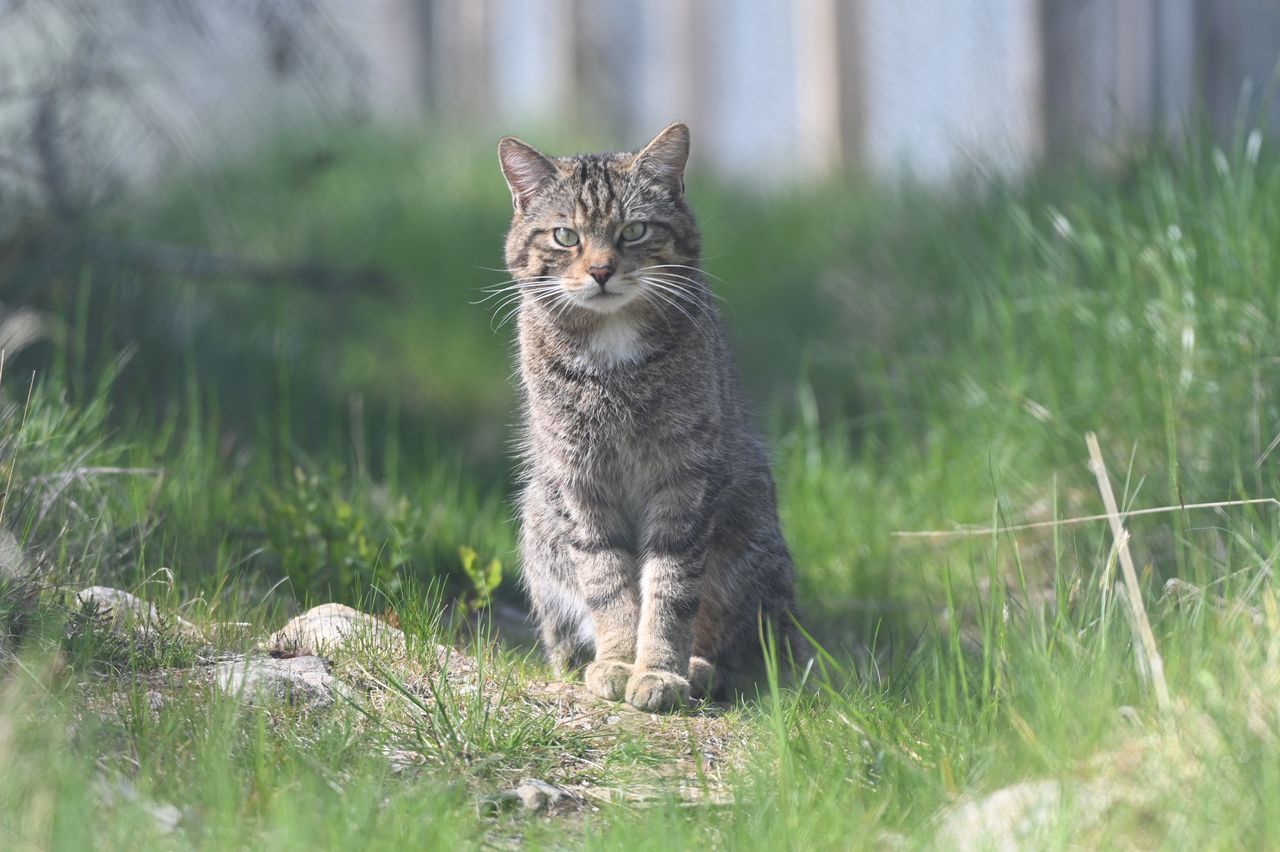
The wildcat is one of Scotland's most elusive predators. Once found in abundance across Britain, it has endured centuries of persecution and habitat loss and, more recently, has been threatened by hybridisation with domestic cats. In 2019 the species was declared functionally extinct in Scotland – but its story doesn’t end here.
A dedicated group of organisations are working to restore the wildcat to Scotland. Led by the Royal Zoological Society of Scotland (RZSS), the Saving Wildcats partnership began in 2019. The project operates Britain's first large-scale breeding-for-release centre, based at Highland Wildlife Park, which is designed to equip captive-bred cats with essential survival skills before releasing them into the Cairngorms National Park.
Since 2023, the partnership has successfully released 46 wildcats into the wild and has recorded wild kitten births for three successive years. Now, building on the progress and lessons learned over the past six year, another major step has been taken towards restoring the Highland tiger.
The launch of Scotland's Wildcat Strategy
NatureScot, on behalf of Scotland's wildcat strategy organising team representing more than 26 stakeholder organisations, has released Scotland's Wildcat Strategy 2025-2045. It lays out priorities for wildcat recovery throughout Scotland with the aim of steering efforts towards removing the threats the wildcat continues to face and restoring its numbers to sustainable levels by 2045.
It begins with a 10-year action plan that prioritises the need to restore and reconnect habitats, allowing the wildcats to extend their range. The plan also calls for further releases into new areas around Scotland, following Saving Wildcats’ evidence-based approach. The document highlights the need for responsible pet cat ownership, including microchipping, neutering and vaccinations to mitigate against hybridisation (interbreeding) with feral domestic cats.
Alongside this work, the strategy labels direct engagement with communities as a cornerstone of wildcat conservation. It seeks to empower and support those who live alongside wildcats to maximise the environmental and economic benefits the species brings. Such work will also aim to encourage land managers to adopt wildcat-friendly predator control practices, in addition to other measures.
RZSS Head of conservation Helen Senn said: “Saving Wildcats has taught us much about Scotland’s wildcat and the steps we must take to secure its future. A key takeaway has been learning how important it is to listen to and work alongside communities. This new strategy builds on those lessons, bringing people together with lasting and practical actions which promise the best possible future for wildcats in Scotland.”
Who is behind the strategy?
Scotland's Wildcat Strategy 2025-2045 builds on current and previous conservation efforts. It was developed collaboratively by specialist conservation planning group from the International Union for Conservation of Nature (IUCN).
An organising team helped to steer the process, including representatives from NatureScot, RZSS, Cats Protection and the National Museum of Scotland. In total, 26 organisations and individuals from a variety of sectors co-produced the final strategy.
A new Scottish Wildcat Advisory Group made up of key organisations will now work together to help take the strategy forward.