
Unique genetic lines discovered: New penguin study shows importance of DNA research in conservation
Posted 25 Apr 2026
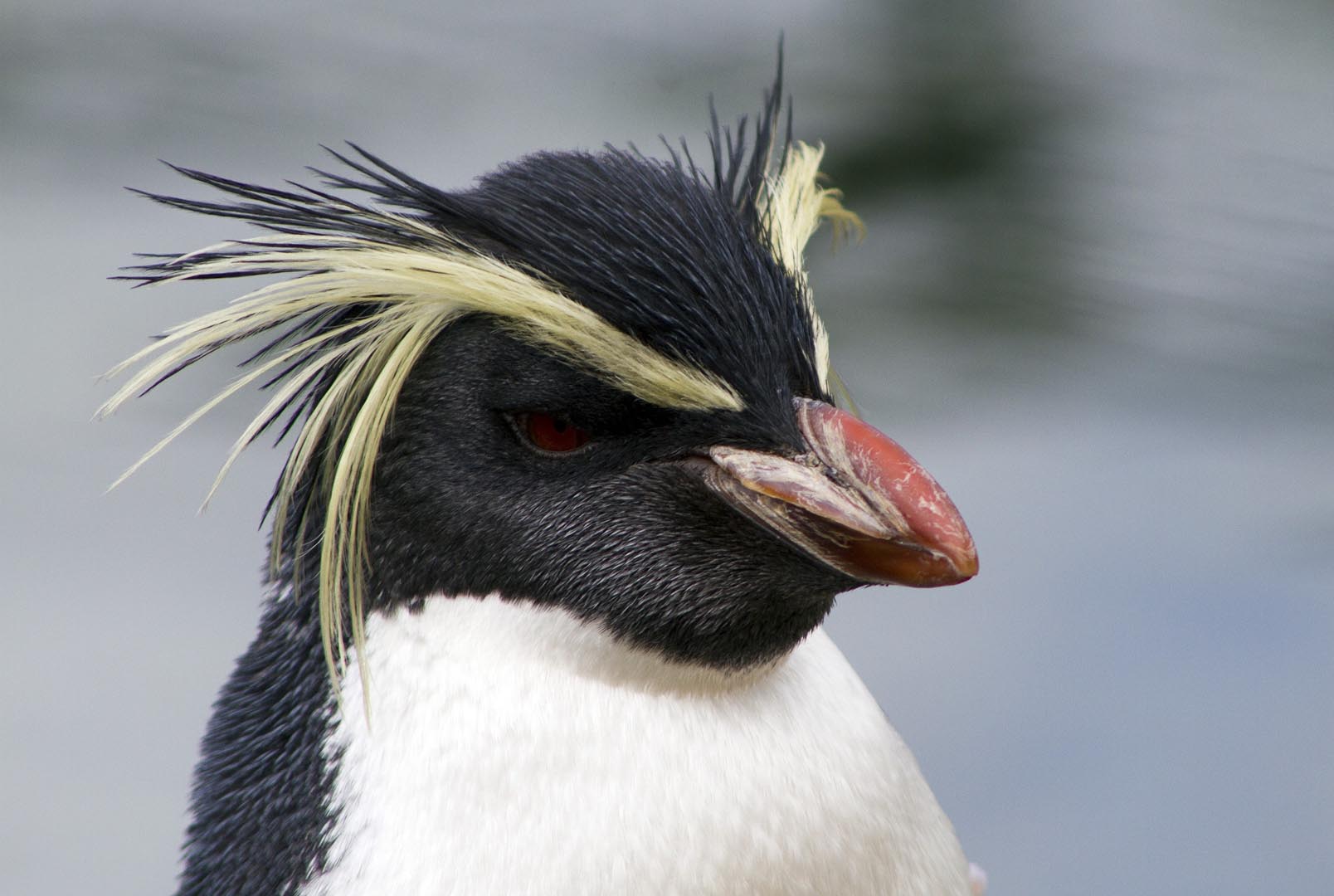
Geneticists at the Royal Zoological Society of Scotland (RZSS) and the Royal Society for the Protection of Birds (RSPB) have concluded that Northern rockhopper penguins living in the Atlantic and Indian oceans are genetically distinct, despite belonging to the same species.
The analysis of DNA from 181 penguins signals the need for targeted approaches in conservation efforts for the two populations of this Endangered species.
Dr Heather Ritchie-Parker, a research scientist at RZSS and lead author of the paper, said: “Our study highlights the practical value of genetics in conservation, because it tells us that the smaller Indian Ocean population requires targeted protection.
“Without this information, the species may have been managed as a single population which would have put us at risk of losing a unique genetic lineage forever. This information is key to refining conservation strategies as each population may require tailored management in its local area. Maintaining, or where appropriate, restoring connectivity between ocean regions may be important to supporting long-term resilience and genetic diversity.”
Genetic diversity is important because it gives populations a wider range of traits, increasing their resilience to disease and environmental change while also reducing the risks of inbreeding, decline and collapse. Losing the Indian Ocean population could mean losing unique traits that strengthen the species.
Based on the current censuses, 90% of Northern rockhoppers are found in the South Atlantic. The remaining 10% live in the South Indian Ocean.
Graeme Buchanan, head of international conservation science at RSPB, said: “This is a great example of how organisations with different skills work together for conservation. In this case, we have been able to generate the information that is essential to make sure the right actions for the species are taken.”
This work was carried out as part of the species action plan led by RZSS and RSPB to address a gap in knowledge.