RZSS WildGenes visit the Budongo Conservation Field Station
Posted 30 Dec 2025
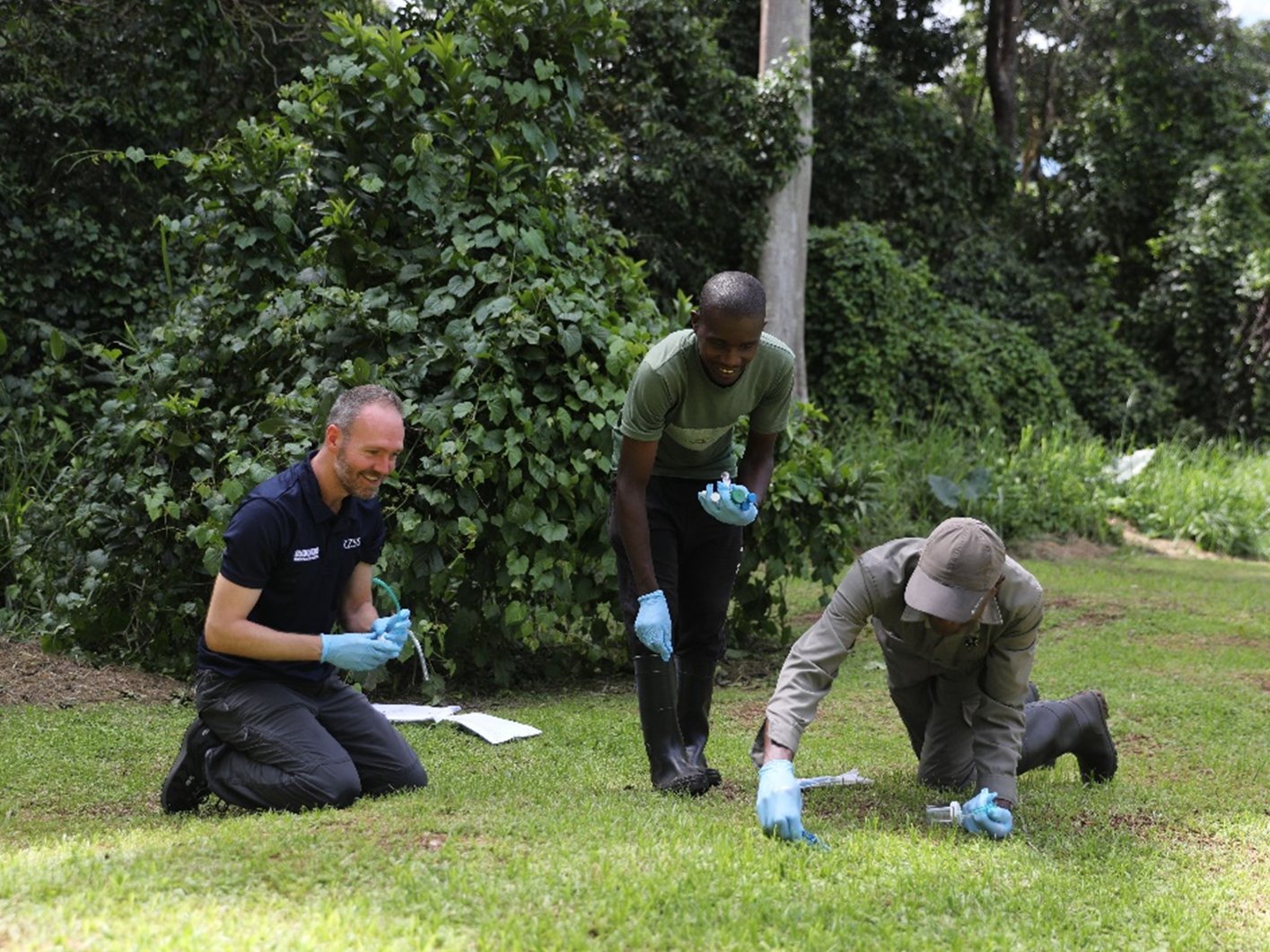
In September, Dr Jo Howard-McCombe and Dr Alex Ball visited the Budongo Conservation Field Station (BCFS) where they led a week-long conservation genetics training workshop.
BCFS is found within Uganda’s Budongo forest, the largest tropical rainforests in East Africa. Since 1990, BCFS has led vital conservation and research. The Royal Zoological Society of Scotland (RZSS) has partnered to support this work since 2005. This year marks the 20th anniversary, a fitting time to further develop the partnership.
This was the first time that RZSS WildGenes had visited the station. The forest is famous for its chimpanzee troupes, but the team were there to study something much smaller – some of the hundreds of known (and many more unknown!) invertebrate species.
Invertebrates, including ants, wasps and butterflies, were the basis for a pilot study, trialling a state-of-the art, portable DNA sequencer. Over the course of the week, BCFS staff were trained in specialist methods of sample collection and storage, DNA extraction, amplification and sequencing. The team collected just over 30 invertebrate species for the study and were successful in extracting and sequencing DNA from 24 of them.
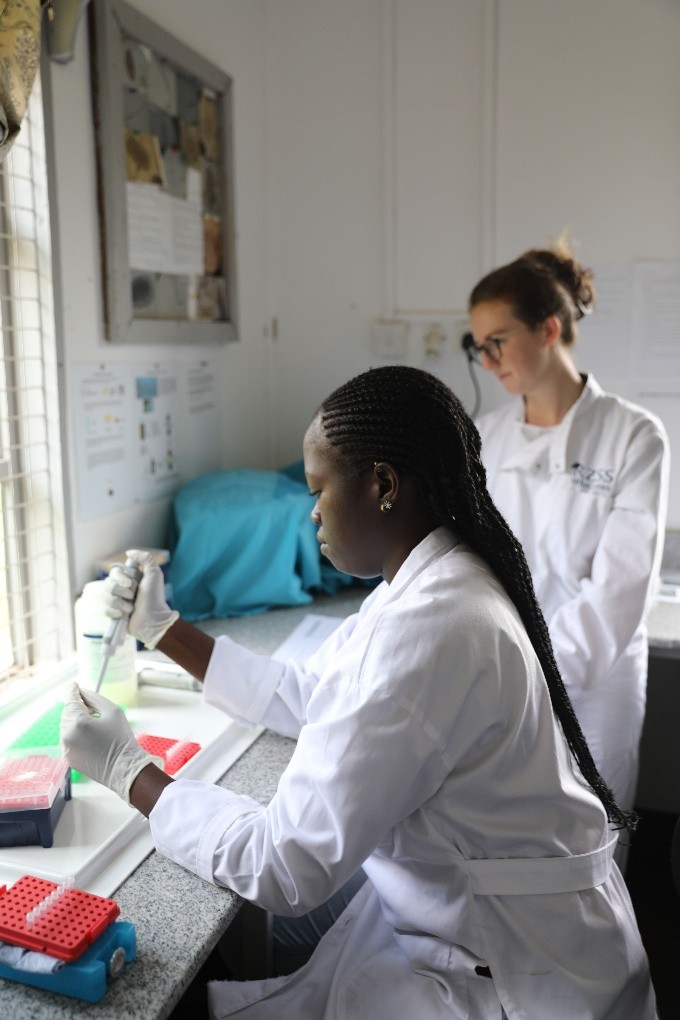
The success of this work allows BCFS staff to apply these techniques to many other species, working from a genetics lab inside the forest. Next year, the aim is to generate the first genomic data for Nahan’s partridge, a rare and highly threatened forest species. Only a few fragmented populations of Nahan’s partridge remain across Uganda and the Democratic Republic of Congo. Using genetic techniques, the team can measure the genetic diversity in the remaining populations, an important step to understand and reverse the decline of this species.
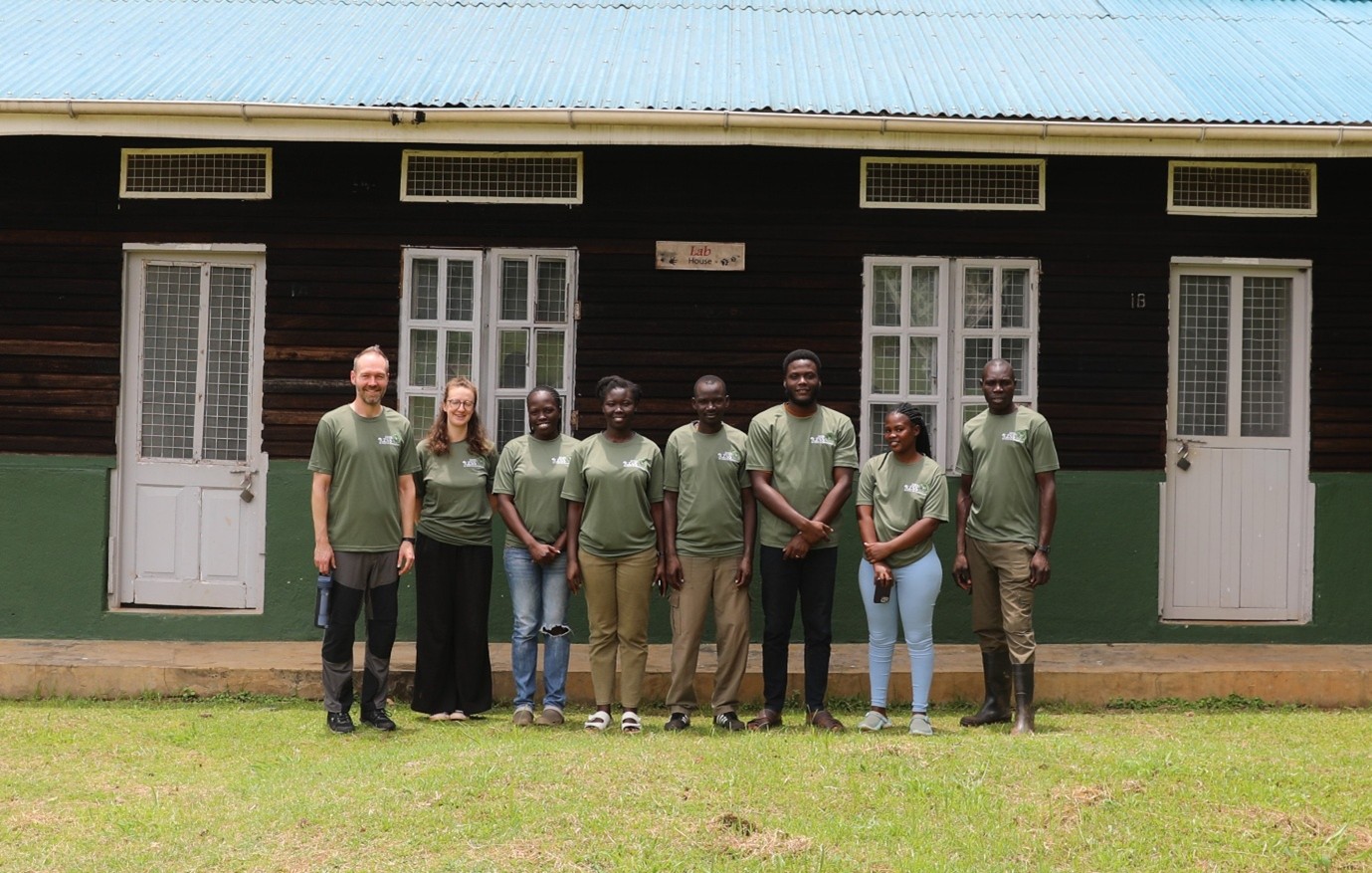
The team outside the lab at BCFS